


EasyTavern:VirtualPub Roleplay
4.5780.00 Reviews
App Specs
- Version
- 2.3.0
- Updated On
- License
- Free
- Downloads
- 100,000+
- Developer
- Renexsa
- Categories
- Entertainment
- Platform
- Android
Screenshots




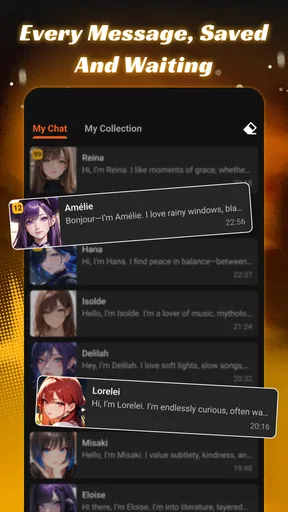

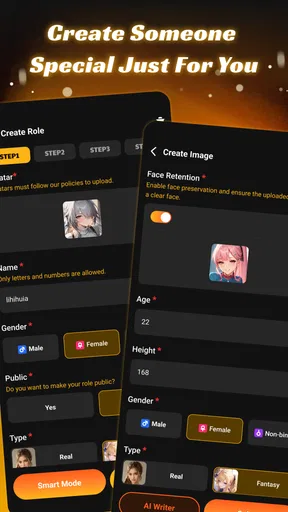
 Analysis by AppCompare
I opened EasyTavern:VirtualPub Roleplay expecting a light entertainment app and found a more specific kind of experience: a fictional tavern built around conversation, character interaction, and relaxed roleplay. It is not trying to replace a messaging service, a conventional game, or a streaming platform. Its appeal comes from stepping into a small fantasy setting and deciding what kind of visitor I want to be there.
That distinction matters. The first session is easy to understand because the premise is welcoming: enter a cozy virtual pub, meet tavern friends, and chat inside a fantasy world. The harder question is whether that atmosphere remains useful after the initial curiosity fades. In my experience, this app has a genuine chance of becoming a repeat destination for people who enjoy improvised stories and character-driven conversations, but it is less convincing for anyone looking for structured progression or a traditional game loop.
What the first week feels like
The strongest part of the early experience is the low pressure. I do not need to approach the tavern as if I am preparing for a competitive match or learning a complicated system. I can treat it as a short visit, start a conversation, test a personality, and leave when the mood changes. That makes it particularly suitable for evenings when I want something interactive but do not have the energy for a large game.
The fantasy tavern setting also gives conversations a useful frame. A blank chat can feel awkward because every message has to create its own reason for existing. In a pub-like roleplay world, a greeting, a question about the room, or a comment about the evening already feels natural. I found that the setting does some of the creative work for me, which is one reason the app is easier to revisit than an entirely open-ended writing prompt.
My practical advice is to arrive with a small intention rather than trying to discover everything in one sitting. I might play a traveler looking for information, a regular who knows the staff, or someone who simply wants to listen. Giving myself a role before starting makes the conversation feel more coherent and helps avoid the common problem of sending random prompts until the novelty disappears.
Another useful approach is to keep the first visit short. The app works best when I allow the atmosphere to remain a pleasant break instead of demanding a complete story immediately. A ten-minute visit can feel satisfying if I leave with a memorable exchange or a small narrative hook. Staying too long without a direction can make the interaction feel repetitive, especially when I am testing the same conversational style over and over.
For someone who enjoys fantasy fiction, character chat, or gentle improvisation, the opening week should be enjoyable. The mature audience label is important, though. This is not an app I would casually hand to a child, and adults should be comfortable with the tone associated with a mature roleplay space before installing it. The rating is part of deciding whether the setting fits your household and your personal boundaries, not a detail to ignore because the interface feels cozy.
Worth Reading Before You Choose

EA SPORTS FC Mobile 26 Is a Bigger Football Game, but It Takes Time

Flipboard Shows What News Apps Must Do Beyond the Feed

Switching to Android Auto Means Rethinking Your Driving Routine

Google Calendar Makes a Crowded Week Easier to Manage

Ludo King Makes the Most of the Minutes Between Plans

Baby Panda World Brings Quick Play to Modern Phones, but Its Game Library Feels Busy
Renexsa has positioned the product as an entertainment app rather than a conventional adventure title, and that affects expectations. I would not download it expecting maps, combat, leveling, or a campaign with a fixed conclusion. Its activity is conversation inside a theme. That can feel refreshingly focused, but it also means the quality of a session depends heavily on my willingness to participate imaginatively.
Why the setting helps, and where it stops helping
The tavern concept is more than decoration because it supplies continuity. I can return to the same general idea of a place where characters meet, rather than starting from an empty screen every time. That makes it easier to build a personal routine: a quiet visit after work, a short scene before bed, or a longer session when I feel like writing dialogue.
However, atmosphere cannot solve every problem. A charming setting may carry the first few visits, but it cannot create lasting value by itself. If the conversations do not keep offering fresh angles, I start noticing the limits of the format. This is why I see the app as strongest for users who enjoy supplying some of the imagination themselves. People who want the application to provide a complete, constantly changing story may find the experience less rewarding over time.
One of the less obvious strengths is how well the tavern premise supports low-commitment roleplay. I do not need to remember a large fictional history to enjoy a short scene. That makes it useful for experimenting with dialogue or mood without investing in a long campaign. It is also a good place to try a character concept before using it in a tabletop session, a personal story, or a collaborative writing project.
The trade-off is that low commitment can work in both directions. Because a visit does not always demand a conclusion, I may leave without feeling that I accomplished something. This is not a flaw for a casual entertainment app, but it is a meaningful limitation if I prefer clear goals. A conventional game is better when I want visible progress, while a social chat platform is better when I want real relationships with people I already know.
What remains valuable after the novelty
The long-term question is not whether the tavern is pleasant once. It is whether I can give it a repeatable purpose. I found three patterns that make continued use more likely: using it as a creative warm-up, treating it as a decompression ritual, and returning with a different role instead of repeating the same conversation.
As a creative warm-up, the app can help me move from passive scrolling into active participation. I can spend a few minutes responding in character, then carry the momentum into journaling, fiction writing, or a tabletop idea. The important point is to treat the session as a starting exercise rather than expecting it to produce a finished story automatically.
As a decompression ritual, the cozy pub framing is useful because it gives a break a little structure. I can visit after a long day, choose a calm conversational direction, and stop before the interaction becomes tiring. This is more engaging than watching another short video, but it is also less demanding than launching a large game. For that narrow use case, the app earns a place in my entertainment routine.
The third pattern is variation. I get more from the experience when I deliberately change my approach. One day I may ask questions and observe; another day I may introduce a small problem; on another visit I may play a newcomer who knows nothing about the tavern. This is a simple habit, but it prevents every session from collapsing into the same exchange. The app rewards users who bring a little structure of their own.
Its audience size suggests that the concept has found a real audience: the app has passed 100K+ installs and holds a 4.5 average from around 11K ratings. Those figures do not guarantee that every user will enjoy the same style of roleplay, but they do make the product feel established enough to try rather than experimental in the most basic sense.
The current release is version 2.3.0, and the app is available at no upfront cost. That makes testing the experience straightforward, although the presence of in-app purchases changes the way I evaluate it. Items range from $3.49 to $109.99, so I would decide on a personal spending limit before becoming invested in the setting. Free entry is helpful, but it should not be confused with unlimited value at no possible cost.
How I would fit it into an ordinary routine
Imagine finishing dinner with half an hour before bed. I do not want a competitive match, and I am too tired to follow a complicated plot. I open the tavern, choose a simple premise such as arriving during a quiet evening, and spend a short session in conversation. Before leaving, I note one unresolved detail in my own head: a rumor, a character question, or a reason to return. The next visit then has a starting point instead of feeling like a reset.
That workflow is more sustainable than opening the app whenever I am bored and expecting it to entertain me without participation. It also makes the experience easier to stop. I can end after a small scene rather than waiting for a level, match, or episode to finish. For users who value flexible sessions, that is a real advantage over many traditional games.
On the other hand, I would choose a regular social platform when I specifically want to talk with friends, share real-world updates, or maintain an ongoing relationship. The tavern is a fictional environment, and that is precisely its purpose. It offers escapism and roleplay, not the practical communication that a messaging app provides.
I would also choose a standard story game when I want authored characters, dependable plot movement, and a sense that the creator is guiding me toward a conclusion. EasyTavern is more open and conversational. That freedom can feel personal, but it can also make the experience less predictable and less satisfying for players who prefer carefully paced narratives.
The maintenance burden of keeping it enjoyable
The app is easy to install and begin using, but maintaining interest requires more attention than the simple premise suggests. I have to bring ideas, vary my role, and recognize when a session has reached its natural end. That is not a technical burden; it is a creative one. Some users will find that refreshing, while others may feel they are doing too much of the work.
My best maintenance habit is to keep a small list of prompts outside the app. I might write down a setting change, a personality trait, or a minor conflict. This prevents the familiar blank-start problem and lets me enter the tavern with a purpose. It also reduces the temptation to repeat the same safe questions every time.
A second habit is to separate comfort sessions from experiment sessions. On a tired evening, I use the setting for a calm, uncomplicated exchange. When I have more energy, I test a new character voice or introduce a more involved scenario. Mixing these expectations can create disappointment: a relaxing visit should not be judged by the same standard as a demanding creative session.
There is also a financial maintenance question. Because the app is free to start but includes purchases, I would avoid spending simply to extend a moment of excitement. I would first check whether the purchase changes a recurring part of my routine or merely satisfies an impulse. If I only use the app occasionally, the free entry point may be enough. If I return often and understand exactly what I want, spending becomes a more deliberate decision rather than a reaction to novelty.
Device compatibility is relatively broad, with support beginning at Android 7.0. That helps users with older Android phones consider it without needing a recent handset. Still, compatibility alone does not determine comfort. Roleplay is text-intensive and benefits from a keyboard and screen that make longer exchanges pleasant. On a small or aging device, the experience may feel more tiring even if the app runs.
What may cause fatigue over time
The main source of fatigue is repetition. A tavern is a strong anchor, but it is still one central premise. If I always play the same visitor, ask the same kind of questions, and expect the app to introduce all the variety, the atmosphere starts feeling like a backdrop rather than a living setting.
A second source is uneven personal motivation. Conversation-based entertainment does not always provide an external reason to continue. There may be no match timer, achievement target, or obvious finish line pushing me forward. That is liberating when I want a quiet activity, but it can make the app easy to abandon when I am not already in the mood to roleplay.
The mature rating may also narrow its audience. Adults who want a clearly family-friendly fantasy space should look elsewhere, even if the tavern theme sounds harmless at first glance. Likewise, users who dislike ambiguous or character-focused interactions may prefer a puzzle, strategy game, or conventional video service with more predictable content.
Another limitation is emotional distance. The setting can feel welcoming, but fictional companionship is not the same as human connection. I would not use this as a substitute for contacting a friend when I need real support. It works better as a private imaginative break, especially when I want interaction without the social obligations of a real conversation.
The app can also become less compelling if I approach every session as a test of its ability to surprise me. A better arrangement is collaborative: I provide a premise, respond thoughtfully, and allow the scene to develop. That does not remove every repetitive moment, but it makes the experience less passive and gives me more control over its quality.
Who should keep it installed?
I would recommend it to adults who enjoy fantasy roleplay, character chat, and short creative sessions. It is especially appealing if you like the idea of visiting a fictional place without committing to a full game campaign. Writers, tabletop players, and people who use imaginative prompts to unwind may find more lasting value than users who simply want a quick novelty.
I would be more cautious about recommending it to someone who wants a deep progression system, competitive mechanics, or a guaranteed story arc. The app’s identity is built around the tavern conversation itself. If that activity does not sound enjoyable for its own sake, the cozy presentation will not be enough to carry repeated use.
It is also not my first choice for practical communication, multiplayer coordination, or family entertainment. A messaging app, a social platform, or a general-audience game will serve those needs more directly. Choosing this product makes sense when the goal is specifically fictional interaction in an adult-oriented fantasy setting.
Renexsa has kept the concept focused, and that focus is both the reason to try it and the reason some people will leave quickly. The experience does not need a large collection of unrelated features to work. It needs enough conversational freshness, personal imagination, and comfortable pacing to make returning feel worthwhile. My own use became more satisfying once I stopped asking it to behave like a conventional game.
After the first-week charm fades, I think the app can still earn space on an adult user’s phone, but only as a deliberate habit rather than an automatic time filler. A short visit with a clear role or prompt can feel surprisingly restorative. Repeatedly opening it without an idea may expose its limits fast.
My final view is favorable but specific: this is a good free entertainment app for people who want a cozy fantasy roleplay space and are willing to contribute imagination. The mature 17+ audience rating deserves attention, and the optional purchases call for restraint. If you want an interactive tavern to revisit in small, self-directed sessions, it is worth trying. If you need structured progression, real social contact, or a complete story delivered to you, another category will probably serve you better.
EasyTavern:VirtualPub Roleplay earns lasting value through routine and creativity, not through novelty alone. That makes it a niche recommendation, but a genuine one: when the mood is right, I would rather spend a few quiet minutes shaping a tavern conversation than passively consume another indistinguishable piece of entertainment.
Pros
- Offers immersive virtual-pub roleplay for casual social interaction.
- Simple concept makes it easy to start conversations and explore scenes.
- Creative character interactions can encourage storytelling and improvisation.
- Suitable for short sessions when you want relaxed
- low-pressure entertainment.
- The tavern setting provides a distinctive alternative to standard chat apps.
Cons
- Roleplay quality depends heavily on the activity and creativity of other users.
- Some conversations may feel repetitive after extended use.
- The fantasy tavern theme may not appeal to users seeking realistic social spaces.
- Limited interaction depth may disappoint players expecting a full RPG system.
- Online social features can involve moderation
- privacy
- or unwanted interaction concerns.
FAQs for EasyTavern:VirtualPub Roleplay
What is EasyTavern: VirtualPub Roleplay?
EasyTavern: VirtualPub Roleplay is a social role-playing app built around the idea of visiting a virtual pub and interacting with characters through conversations and imaginative scenarios. It is designed for users who enjoy interactive storytelling, character-based chats, and casual roleplay rather than traditional action gameplay. The experience can vary depending on the available characters, conversation options, and community content.
How does the roleplay experience work in EasyTavern?
After entering the virtual tavern, users can generally choose a character or scenario and begin a text-based conversation. Your messages influence the direction and tone of the roleplay, making each interaction feel more personal than a fixed story. The quality of the experience depends on how creatively you participate, how well the characters respond, and which roleplay features are available in the current version.
Is EasyTavern: VirtualPub Roleplay free to download and use?
The application may be available to download at no initial cost, but users should check its store listing carefully for advertisements, optional purchases, subscriptions, or premium roleplay features. Some apps in this category limit access to certain characters, conversations, or customization tools unless you upgrade. Before downloading, review the current pricing information and in-app purchase details shown for your device and region.
Does EasyTavern contain mature or user-generated content?
Because EasyTavern focuses on virtual conversations and roleplay, some scenarios or character interactions may be more mature than standard casual games. The exact content can depend on the app’s rules, available characters, and community contributions. Parents should review the age rating and privacy information before allowing younger users to install it. Avoid sharing personal details during roleplay, even when conversations feel private or friendly.
What permissions and device requirements should I check before installing it?
Before installing EasyTavern: VirtualPub Roleplay, check the official Google Play or App Store listing for supported operating-system versions, storage requirements, and the latest privacy disclosures. A stable internet connection may be necessary if conversations or character data are processed online. Also review requested permissions and deny anything that seems unnecessary for a roleplay app. Availability, features, and performance can differ between Android and iOS devices.


